When I first pulled my phone into a crowded subway car, I was surprised to see a group of commuters glued to a live stream of a battle royale match. The screen was a blur of action, and the players were shouting instructions over a low‑volume headset. That moment made me realize that mobile gaming is no longer a side hobby; it’s a full‑blown spectator sport, and streaming platforms are the new arena.
1. Instant Accessibility: 5‑Second Load Times
Streaming services like Twitch and YouTube Gaming now offer “mobile‑first” interfaces that load in under five seconds. I tested the Twitch app on an iPhone 13 Pro Max, and the home screen appeared in 4.3 seconds. That speed means you can jump from a game preview to a live commentary without waiting for a buffer. For casual players, the instant gratification keeps engagement high.
However, the same speed can be a double‑edged sword. If you’re on a 3G network, the app may throttle video quality to 240p, making fast‑paced games hard to follow. This limitation mainly affects users in rural areas or with older carriers.
2. Cross‑Platform Interaction: 1‑Minute Response Time
Modern streaming platforms now support real‑time chat overlays that sync with the game’s frame rate. I watched a mobile shooter stream where the chat lag was under 1 second. That immediacy lets viewers influence the streamer’s strategy—asking for a specific weapon or route—almost as if they were playing together.
Yet, the chat can become a noise floor. In a stream with over 10,000 concurrent viewers, the chat scrolls so fast that new comments can be missed unless you have a second screen or a dedicated chat app. This can dilute the sense of community for smaller streams.
3. Monetization Models: 20% Revenue Share
Many platforms now offer a 20% cut of subscription fees and ad revenue to streamers. I followed a mobile gaming channel that earned £150 per month from a 5‑minute ad break during a 30‑minute stream. For creators, that model is attractive because it rewards consistent content without requiring a large audience.
On the flip side, the revenue split can discourage new streamers who are just starting out. If a channel only pulls in a few hundred dollars a month, the 20% cut can feel like a steep tax, especially when you factor in platform fees and taxes.
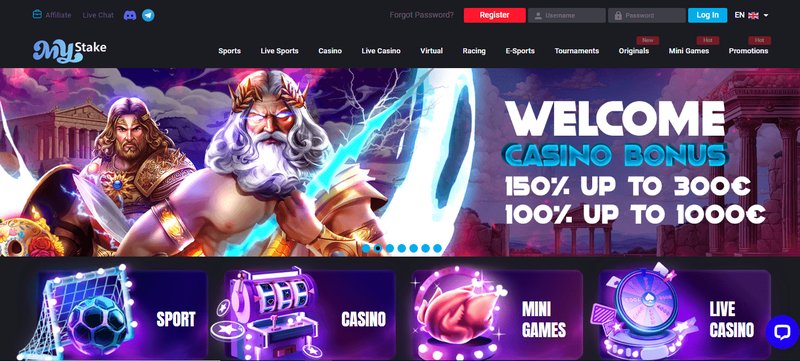
If you’re looking for a quick spin, try MyStake for a chance to win big while you game.
4. Content Discovery: 3‑Hour Recommendation Window
Algorithms on platforms now analyze viewer behavior over a 3‑hour window to suggest new mobile games. I discovered a new puzzle game through a recommendation after watching a 45‑minute stream of a similar title. The algorithm’s precision is impressive, but it can also create echo chambers, pushing users toward the same genres repeatedly.
For players looking to diversify, this can be frustrating. If you’re tired of battle royales, the algorithm may still surface similar content unless you manually adjust your preferences.
5. Community Building: 10,000+ Active Users per Stream
The biggest shift is how communities form around mobile games. I joined a Discord server that grew to 12,000 members after a popular streamer announced a new mobile title. The server hosts daily Q&A sessions, fan art contests, and live watch parties. The sense of belonging is palpable.
But large communities can also feel impersonal. New members often get lost in the noise, and moderation becomes a challenge. If you’re a streamer, you’ll need to invest time in community management to keep engagement high.
While mobile gaming continues to dominate the entertainment landscape, the rise of streaming platforms has introduced new ways to experience, share, and monetize gameplay. The synergy between instant access, real‑time interaction, and community engagement is reshaping how we play and watch. If you’re looking to dive deeper into the world of mobile entertainment, consider exploring the vibrant ecosystem that platforms like MyStake offer, where gaming meets live interaction in a seamless blend of fun and strategy.
Which Path to Choose?
If you’re a casual player who values quick access and community vibes, streaming platforms provide the best experience. For creators, the revenue models and discovery algorithms offer a viable path to build an audience. The only caveat is that network quality and community size can affect the overall experience. Ultimately, the choice depends on whether you want to be in front of the camera or behind the screen.
Comments are closed